From the kitchen: exploring Hwa Heng’s ingredient story
The supplied ingredient image and kitchen footage offer a closer look at the brand’s food story without publishing a recipe.
A food story can become more tangible when visitors see some of the ingredients and preparation behind it. Hwa Heng’s website includes a supplied ingredient image and kitchen footage, giving the public another way to explore the brand beyond a finished noodle bowl.
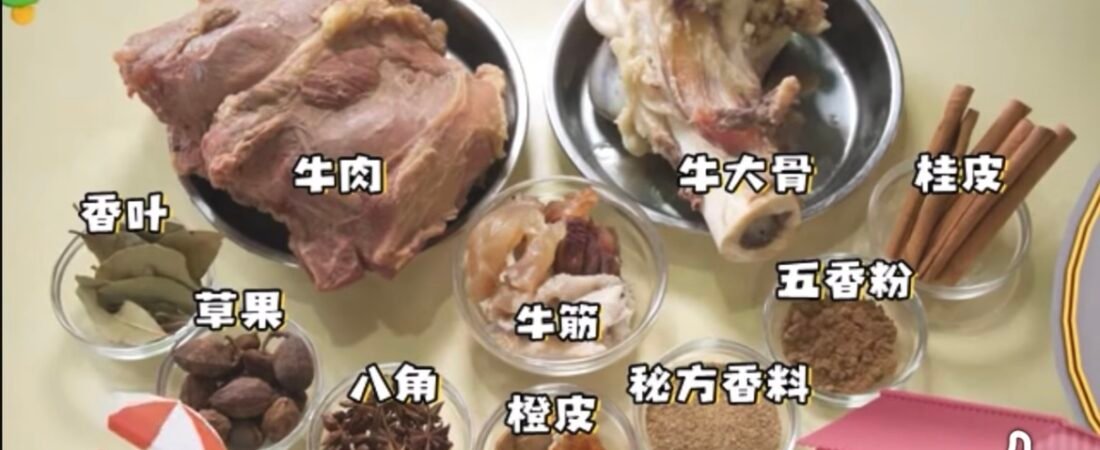
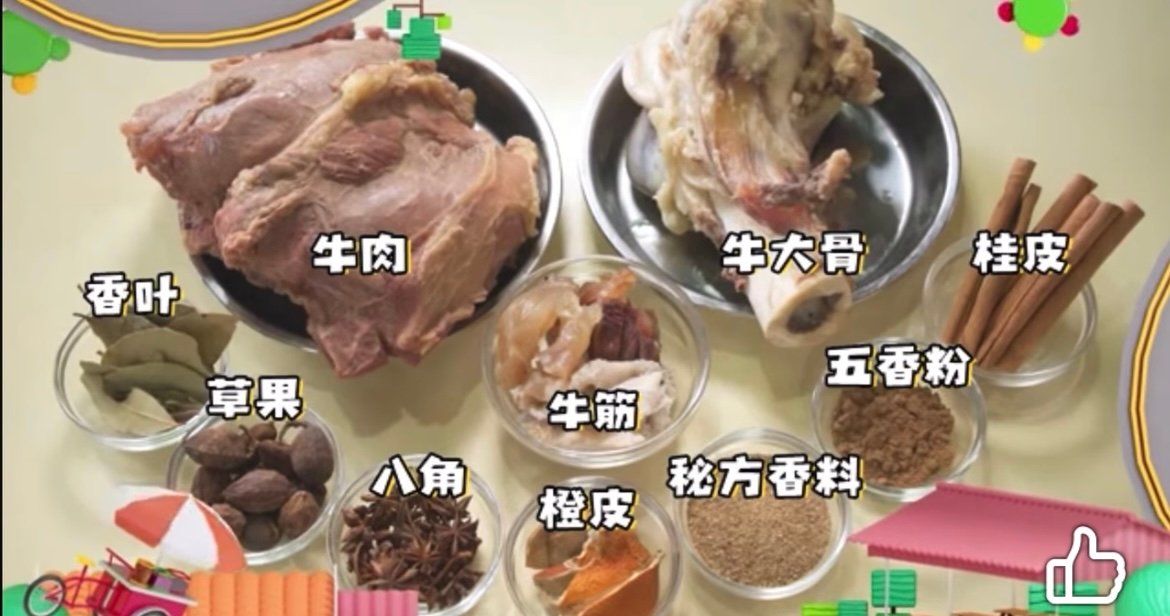
The food guide explains that the image features beef, beef bones and tendon alongside aromatic spices. The ingredient labels include bay leaves, cinnamon bark, star anise, dried citrus peel, cao guo, five-spice powder and a house spice blend.
An introduction, rather than a recipe
The image provides context for the brand’s ingredient story. It does not publish quantities, cooking times or the composition of the house blend. Nor does a labelled image establish that every ingredient appears in every dish or that it covers every component used in preparation.
That difference matters for readers who enjoy looking behind the scenes. A visual introduction can communicate the character of a kitchen without pretending to be a complete cooking instruction. The finished menu remains the place to explore the dishes available to customers.
Watch the preparation footage
The Our Story page includes the supplied kitchen video, with controls to play, pause and replay. It offers a glimpse of ingredients and preparation, complementing the written account of Hwa Heng’s recipe heritage.
Watching a short sequence can help visitors connect a brand name with the work behind a meal. The footage should be understood in that context: a selected view of preparation, not a complete account of every outlet’s workflow or an independent audit of kitchen operations.
Bring the story back to the bowl
For a customer, the useful next step is to compare the menu descriptions with the textures and serving styles they enjoy. For a prospective collaborator, the visuals can begin a conversation, while detailed recipe and operating arrangements require direct discussion with the team.
If you have an ingredient sensitivity or a dietary requirement, ask the outlet about the actual dish before ordering. An illustrated ingredient selection is not a substitute for that conversation.
Explore the image, watch the footage and return to the food guide. Together, they offer different views of the same brand story.