Good value is more than the lowest price
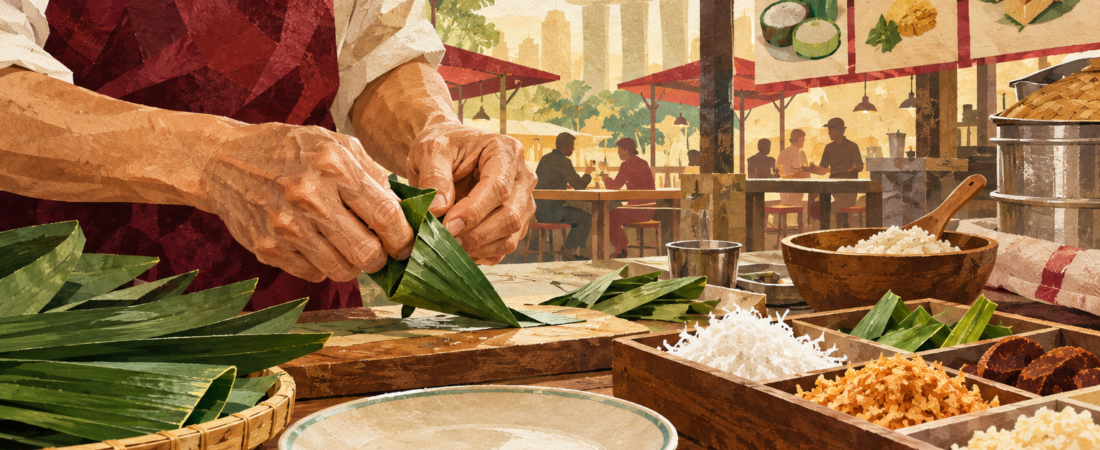
A recent report on Singapore’s hawker trade raises a useful question: how can affordable everyday meals also sustain the skill and effort behind them?
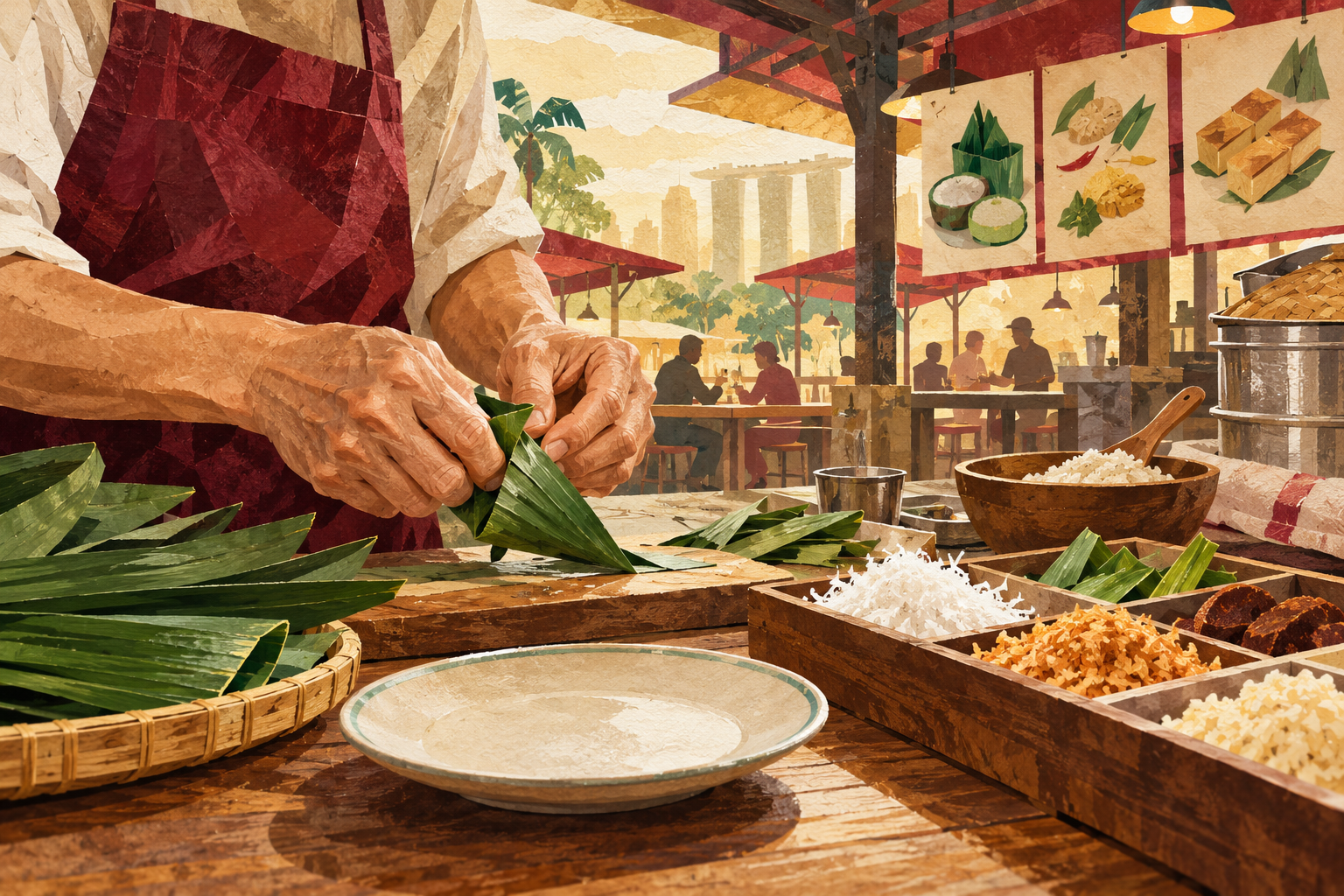
A meal’s price is easy to see. The preparation behind it is less visible: ingredients selected, tasks repeated and skills learned over time. That difference matters when we talk about value in everyday dining.
In a 10 October 2026 report, ABC News explored the tension between affordable hawker meals and sustaining the trade. Interviewed stallholders described the difficulty of balancing customers’ price expectations with operating costs and the work needed to keep traditional dishes going. The report is about Singapore’s broader hawker scene, not Hwa Heng’s costs or pricing.
Start with the customer’s budget
Our editorial view is that affordability deserves respect. A regular lunch is an everyday expense, and a customer choosing carefully is making a reasonable decision. Explaining the work behind food should never become a lecture about what someone ought to spend.
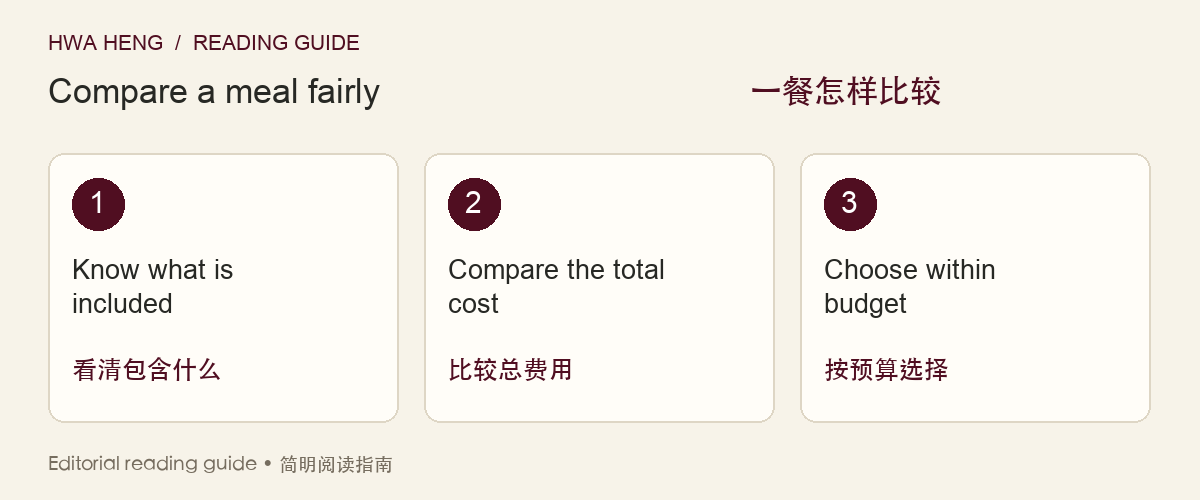
Clear choices help. Show what a standard serving includes, make optional additions obvious and let customers decide before they order. A larger portion or an extra ingredient should be a choice they understand.
Make comparisons fair
Two meals with similar names may differ in portion, ingredients or what comes with them. Dine-in, takeaway and delivery can also involve different charges. A headline price alone may not describe the same purchase.
For diners, a useful question is: “What will I receive, and what will I pay altogether?” For operators, the task is to make that answer easy to find at the point of purchase. Clarity builds confidence without requiring customers to study the business.
Give craftsmanship a practical place
The answer is not simply to call everything heritage. A short, specific explanation of an ingredient or preparation step can help a customer understand a dish. It should describe something real, without romanticising long hours or claiming that age guarantees quality.
For a heritage brand such as Hwa Heng, this is a useful lens for communication: connect the story to the customer’s actual meal, while keeping the ordering choice straightforward. These are editorial suggestions, not an announcement of menu changes or a price increase.
Good value should leave a diner feeling that the choice was clear and the meal met expectations. Keeping that promise, consistently, is a more useful goal than winning a comparison based on the lowest number alone.
一餐是否值得,不只看最低价
最近一篇有关新加坡小贩的报道,让我们重新想一想:怎样让日常用餐负担得起,也让背后的手艺与付出持续下去?
一餐多少钱,顾客一眼就能看到。但选食材、反复练习、掌握火候等准备工作,往往看不到。谈到日常用餐是否值得,这些差别也值得了解。
ABC News在2026年10月10日的报道中,探讨小贩餐食价格亲民与行业持续经营之间的拉扯。受访摊主提到,要兼顾顾客对价格的期待、经营成本,以及保留传统菜式所需的工作,并不容易。报道谈的是新加坡整体小贩情况,并非华兴的成本或定价。
先尊重顾客的预算
我们的看法是:负担得起,本身就很重要。每天吃午餐是一笔固定开销,顾客认真比较、量力而为,是合理的选择。介绍食物背后的付出,不应变成要求顾客多花钱的说教。
更有帮助的做法,是把选择讲清楚。一份标准餐包括什么?哪些配料需要另外加钱?顾客点餐前就能明白,才可以安心决定。加大份量或加料,应是看得懂的选择。
比较价格,也要比较买到什么
名称相近的两份餐,份量、用料和搭配可能不同。堂食、外带与送餐,也可能有不同收费。只看一个醒目的价格,不一定是在比较同一种购买方式。
顾客可以问一句:‘这一份有什么,最后一共付多少?’经营者则应让答案在点餐时容易找到。这样能增加信心,而不需要顾客先研究商家的经营情况。
把手艺讲得具体,而不是只讲历史
并不是加上‘传统’两个字,就说明了一切。简短介绍一种食材或一个真实的准备步骤,往往更能帮助顾客理解这道菜。介绍应有事实依据,不把长时间工作浪漫化,也不把历史悠久当作质量保证。
对华兴这样的传统品牌来说,这是一个值得参考的沟通方向:让品牌故事与顾客眼前这一餐联系起来,同时保持点餐简单。以上是编辑建议,并非宣布更改菜单或涨价。
一餐真正值得,应让顾客觉得选择清楚,吃到的与预期相符。持续做到这一点,比只靠最低的数字赢得比较,更有意义。
- ABC News: Affordability or heritage? Singapore’s hawker scene faces an identity crisis · 10 October 2026 · read 13 October 2026
Industry Insights: suggestions are Hwa Heng’s editorial analysis. The report supplies wider industry context, not evidence of Hwa Heng’s costs or pricing. / 建议属于华兴的编辑观点;报道提供行业背景,并非华兴成本或定价的资料。