Why heritage still matters in Singapore’s evolving dining scene
A reading of Singapore’s 2026 dining trends, and what a clear food identity can mean for heritage brands such as Hwa Heng.
Chinese edition & reading guides added 12 October 2026 · 中文版及阅读指南更新于2026年10月12日
A heritage food brand has two stories to tell: where its flavour comes from, and why that flavour belongs in people’s lives today. Singapore’s changing dining scene makes that connection worth examining.
In its report published on 11 August 2026, the MICHELIN Guide describes several directions in Singapore dining, including more focused cooking, stronger regional Chinese identities and international cuisines shaped by Southeast Asian influences. It also observes a move towards carefully considered food in more relaxed settings.
A recognisable identity
Our interpretation is that a distinctive food identity can help a heritage brand explain its place in a crowded market. A recognisable dish gives the conversation a centre: its ingredients, flavour, history and the experience people associate with it.
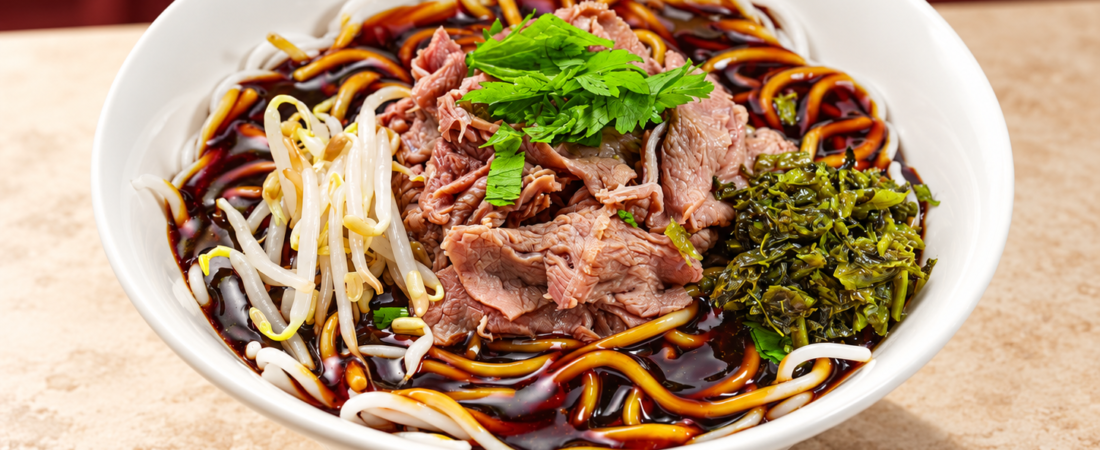
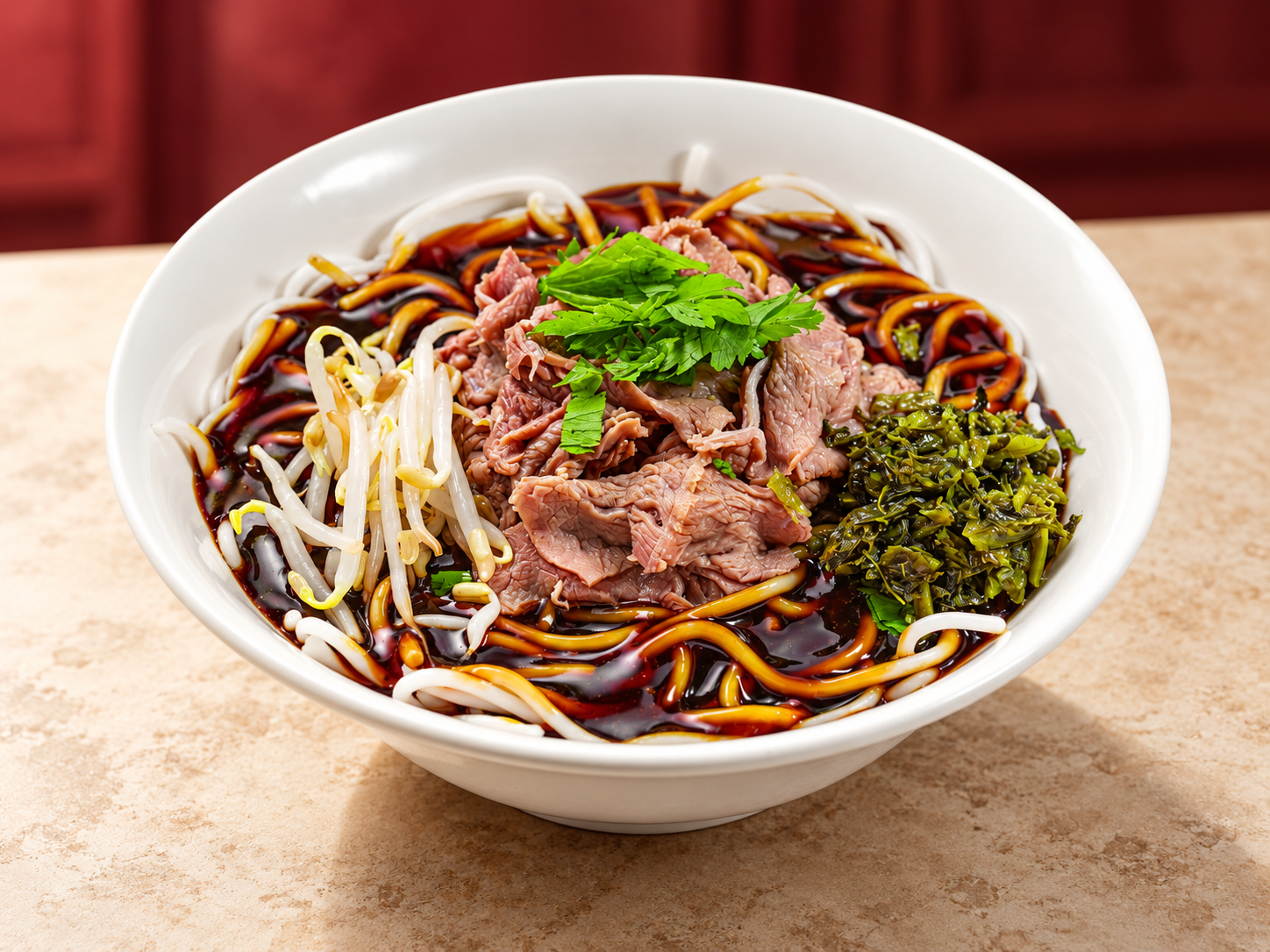
For Hwa Heng, that centre is beef noodles. The group’s recipe heritage dates to 1948, and Hwa Heng Beef Noodle is its flagship heritage concept. That history provides context for the brand; it does not, by itself, establish future demand or commercial performance.
Tradition across different formats
For operators and potential partners, the useful question is how a familiar food identity carries across different settings. Location, service, consistency and clarity of presentation all deserve attention when considering a format.
Hwa Heng’s published growth approach describes franchise and brand licensing, strategic partnerships, and selected recipe or concept collaborations. These are distinct relationships. Collaboration partners operate independently unless otherwise stated, and should not be presented as group-owned brands.
A lens for the next conversation
The broader lesson is to connect heritage with a clear present-day proposition. For visitors exploring Hwa Heng, the food, outlet information and partnership models offer practical starting points for that conversation.
This is industry commentary, rather than a company announcement. It does not announce a new outlet, partnership or investment outcome.
新加坡餐饮不断变化,传统品牌为什么仍值得认识
传承告诉我们味道从哪里来;今天的食物与服务,则决定这个味道怎样继续走进人们的生活。
传统餐饮品牌需要讲两件事:味道的来处,以及这个味道为什么仍与今天的人有关。新加坡餐饮不断变化,连接这两件事,值得仔细思考。
MICHELIN Guide于2026年8月11日发表的餐饮趋势报道,谈到更集中的烹饪方向、鲜明的区域中华料理特色,以及受东南亚影响的国际料理,也观察到人们在较轻松环境中享用经过用心考虑的食物。
鲜明特色,让人知道品牌是谁
我们的理解是:在选择众多的餐饮市场,一个清楚的食物特色,可以帮助传统品牌说明自己的位置。熟悉的菜品,让食材、味道、历史与用餐体验有了共同的中心。
对华兴而言,这个中心是牛肉粉。食谱传承可追溯至1948年,华兴牛肉粉是集团的旗舰传统餐饮概念。这段历史提供背景,但不能单凭年份证明未来需求或商业表现。
不同场地,都需要实际考虑
对经营者与潜在合作方,有用的问题是:熟悉的食物特色,怎样在不同场地继续呈现?地点、服务、一致性,以及介绍是否清楚,都需要评估。
华兴公开的增长方向包括加盟与品牌授权、战略合作,以及部分食谱或概念合作。这些关系并不相同。除非另有明确说明,合作方独立经营,不能被称为集团拥有的品牌。
让传承,接上今天的需要
了解历史之后,可以继续查看美食、门店和合作模式,认识品牌目前怎样呈现。对想进一步讨论的人,这些具体资料比只看年资更有帮助。
本文属于行业评论,不是公司业务公告;没有宣布新门店、合作或投资成果。传承是理解品牌的起点,今天的体验与安排,仍值得独立了解。