
Less surplus starts with a better daily plan
Food rescue puts unsold food back in the conversation. For an F&B operator, the useful next question is what tomorrow’s preparation can learn from today’s leftovers.

At closing time, an unsold tray tells a story. Perhaps the lunch rush was quieter than expected, a batch was prepared too late, or customers chose a different item. Treating every surplus as the same problem can hide the reason it happened.
In a 21 October 2026 company press release, food-rescue platform Yindii described its Singapore awards and its model of connecting customers with discounted surplus food. This is the platform’s own account, rather than independent evidence of benefits for every participating business. It offers a timely starting point for a broader operational discussion.
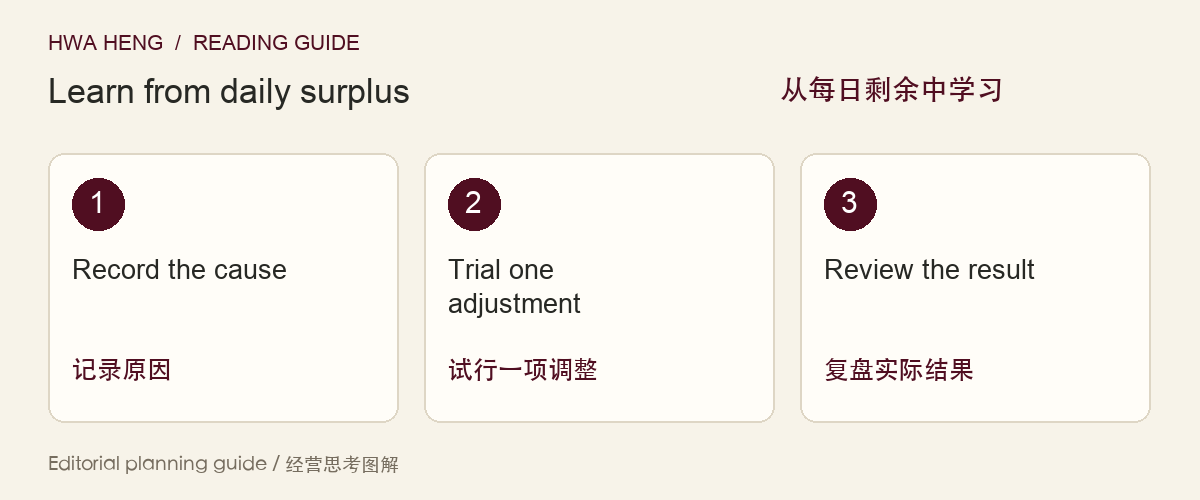
Record the reason, not just the quantity
Our editorial view is that a useful daily record should distinguish unsold prepared food from preparation trimmings and returned meals. These categories point to different questions; combining them into one number makes it harder to decide what to change.
Start with one frequently unsold item. Note how much was prepared, how much sold, when demand slowed and any unusual circumstances. Compare similar trading days before drawing conclusions. A rainy Tuesday and a busy weekend may need different preparation plans.
Make tomorrow’s adjustment small and clear
A practical trial might involve changing the timing of a final batch, rather than cutting availability throughout the day. Agree who will review demand and who can authorise the adjustment. Track whether customers then face more sold-out items as well as whether less food remains.
Staff feedback matters here. A tally can show what was left, while the service team may explain why: a menu description was unclear, an item was difficult to find, or demand shifted to another dish. The aim is better decisions, not blame at the end of a shift.
Rescue is one route, not the whole plan
If a surplus-sales channel is being considered, examine its collection arrangements, packaging costs and staff time alongside any recovered revenue. Food eligibility and handling need appropriate checks; being unsold alone does not establish suitability for resale.
For a heritage food business, care for ingredients should extend to how production is planned. A small, repeatable review can turn yesterday’s surplus into a more thoughtful question about tomorrow. This is an editorial planning framework, not an announcement of a Hwa Heng food-rescue partnership or a claim of measured savings.
减少剩余食物,从每天的安排开始
食物惜食行动让未售出的食品获得更多关注。对餐饮经营者来说,更值得追问的是:今天剩下的东西,能为明天的备料带来什么启发?
打烊时,一盘没有卖完的食物,往往藏着当天的经营线索。也许午餐客流不如预期,也许最后一批准备得太晚,又或者顾客更喜欢另一款餐食。如果把所有剩余食物都视为同一个问题,就容易忽略背后的原因。
惜食平台Yindii在2026年10月21日发布的企业新闻稿中,介绍了其新加坡颁奖活动,以及让顾客以折扣购买剩余食品的运作方式。这属于平台自身的说明,并非独立证据,不能据此认定每家参与商户都获得相同成效。不过,这则消息提供了一个及时的切入点,让餐饮业思考日常备料与剩余食物之间的关系。
不只记数量,也要看原因
我们的编辑观点是:记录时,应区分已经准备好却未售出的食物、备料产生的边角料,以及顾客退回的餐食。不同类别对应不同问题;全部合并成一个数字,反而难以决定该改哪一环。
可以先选一种经常剩下的产品,记录准备量、售出量、需求开始放缓的时间,以及当天是否有特殊情况。比较相近的营业日,再作判断。下雨的星期二与繁忙的周末,不一定适合采用同一套备料安排。
明天先做一个清楚的小调整
一种可考虑的试行方式,是调整最后一批的准备时间,而不是整天都减少供应。事先说明由谁观察需求、谁有权决定调整。复盘时,除了看剩余是否减少,也要留意顾客是否更常遇到售罄的情况。
员工的观察同样重要。表格能告诉我们剩了什么,服务团队则可能解释为什么:菜单说明不够清楚、产品不容易被看到,或顾客转而选择其他餐食。记录的目的,是帮助团队作出更好的决定,而不是打烊后追究谁的责任。
惜食渠道,是其中一条路
若考虑使用剩余食品销售渠道,应把取货安排、包装费用和员工投入的时间,与可能收回的收入一起评估。食品是否符合要求、如何处理,都需要适当核查;不能仅凭“没有卖出”就判断适合再次出售。
传统餐饮品牌对食材的用心,也体现在如何安排生产。一个简单、可以持续执行的复盘习惯,能把昨天的剩余变成对明天更有价值的提问。本文提供的是编辑层面的经营思考,并非宣布华兴与任何惜食平台合作,也不代表已经取得可量化的节省成果。
- Yindii company announcement via PR Newswire · 21 October 2026 · read 28 October 2026
Industry Insights: the source is a promotional company press release. Planning suggestions are Hwa Heng’s editorial analysis, not independently verified platform outcomes. / 来源为企业宣传性质的新闻稿;经营建议属于华兴编辑观点,并非经独立核实的平台成效。